PayKaduna
A unified portal for citizens and businesses to pay government fees and taxes, with admin tools for invoicing, reconciliation, compliance tracking and real-time analytics.
- Role
- Lead Product Designer, GX Informatics
- Client
- PayKaduna
- Industry
- GovTech · Public revenue
- Year
- 2024
Project overview
One portal to pay, verify and reconcile public revenue.
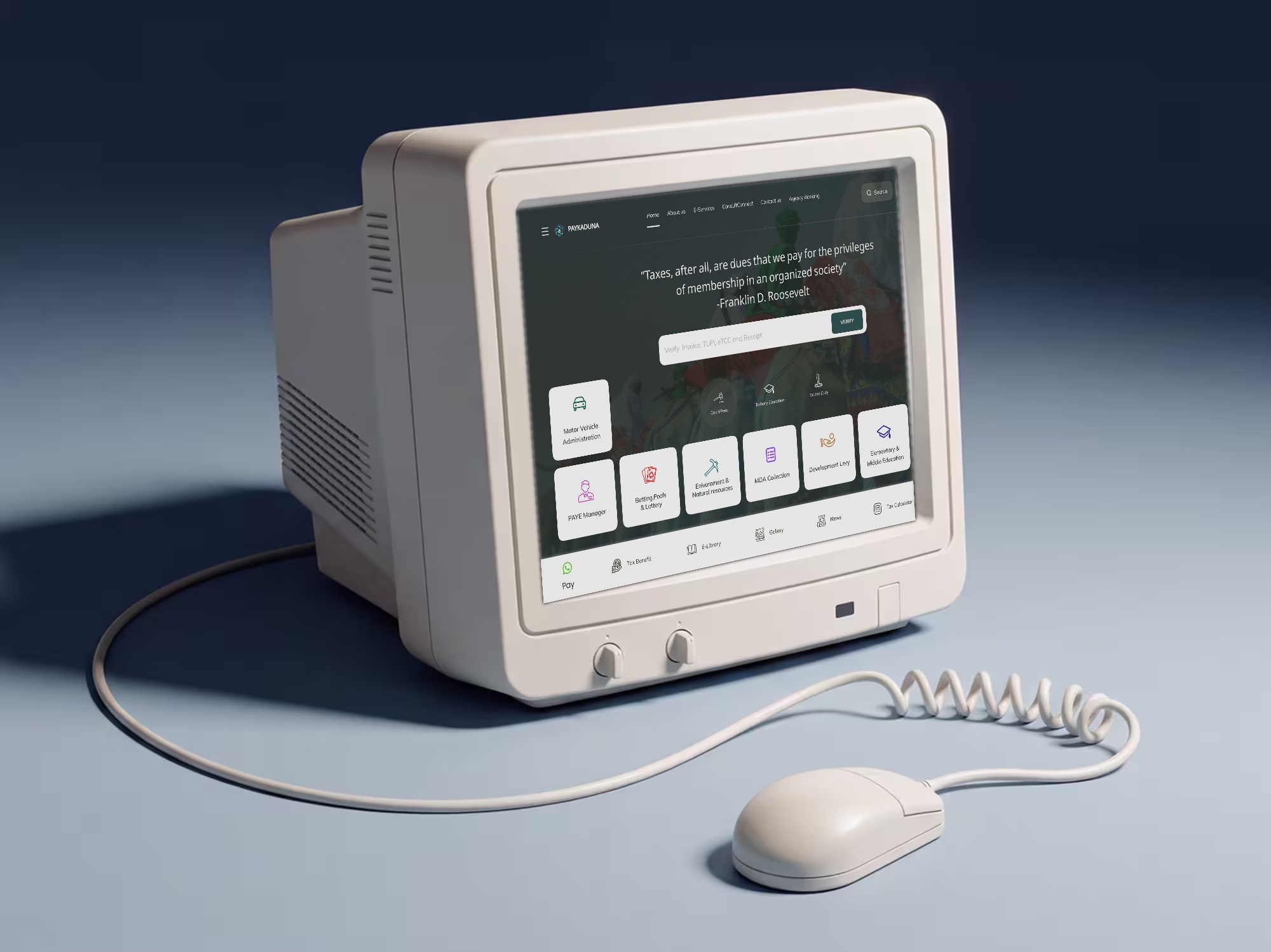
PayKaduna is a unified portal where citizens and businesses pay government fees and taxes. Behind it are admin tools for invoicing, reconciliation, compliance tracking and real-time analytics, aimed at reducing leakages and improving transparency.
As Lead Product Designer at GX Informatics, I designed the citizen and admin workflows and the revenue operations dashboards.
Context & problem
Fragmented, cash-led revenue flows hurt transparency and trust.
Paper receipts and manual reconciliation made it hard to know what to pay or to prove payment, which led to leakages, disputes and poor visibility of internally generated revenue (IGR).
Who it serves
Two sides of every payment.
Citizens
Paying personal fees and taxes, and needing proof that they've paid.
Businesses
Meeting their obligations to the state.
Revenue officers & MDAs
Invoicing, reconciling and tracking compliance.
Project goals
Clear obligations, trusted proof, faster reconciliation.
- Make it obvious what to pay.
- Give people proof of payment they can trust.
- Make reconciliation faster for finance teams.
- Give agencies real-time visibility of revenue.
Research & discovery
Two blockers, straight from the people involved.
Officer interviews and citizen walkthroughs surfaced the same two problems: people didn't know what to pay, and they had no trusted proof once they had paid.
Those two blockers became the brief. Everything on the citizen side was organised around making paying and verifying effortless.
Session counts and research artefacts from this project aren't published.
Constraints
Replacing habits, not just paper.
Cash and paper habits
People were used to paying in person and holding a paper receipt as proof.
Many revenue heads
Fees and taxes spanned many agencies, each organising them differently.
Proof that anyone can check
A receipt had to be verifiable by an officer or third party, not just kept.
Two very different users
Citizens pay occasionally; officers reconcile every day.
Product decisions
Designing around what people came to do.
Pay and Verify receipt as primary actions
Elevating the two things people came to do. The original case study credits this with higher completion and fewer walk-ins.
Standardised revenue heads
One consistent structure for what can be paid, instead of every agency doing it differently.
Instant QR e-receipts
Proof of payment that can be checked, not just kept.
Dashboards with audit trails
Real-time visibility for agencies, with a record of what happened.
Information architecture & workflows
From choosing what to pay to a verified receipt.
- Step 01Choose what to pay (standard revenue heads)
- Step 02Pay through any supported channel
- Step 03Receive an instant QR e-receipt
- Step 04Anyone can verify the receipt
- Step 05Agencies reconcile on live dashboards
Exploration & iterations
Essentials first, extras close by.
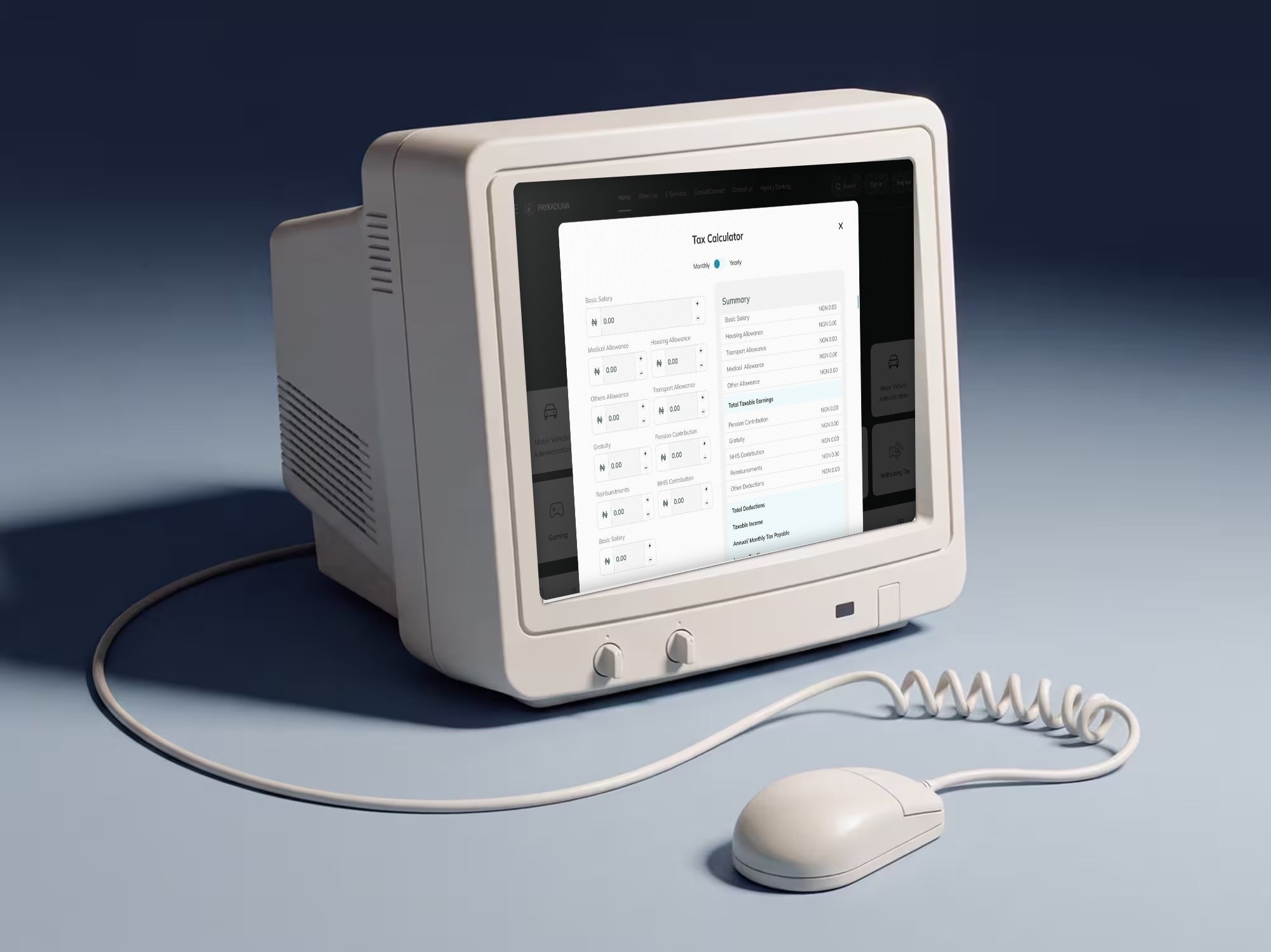
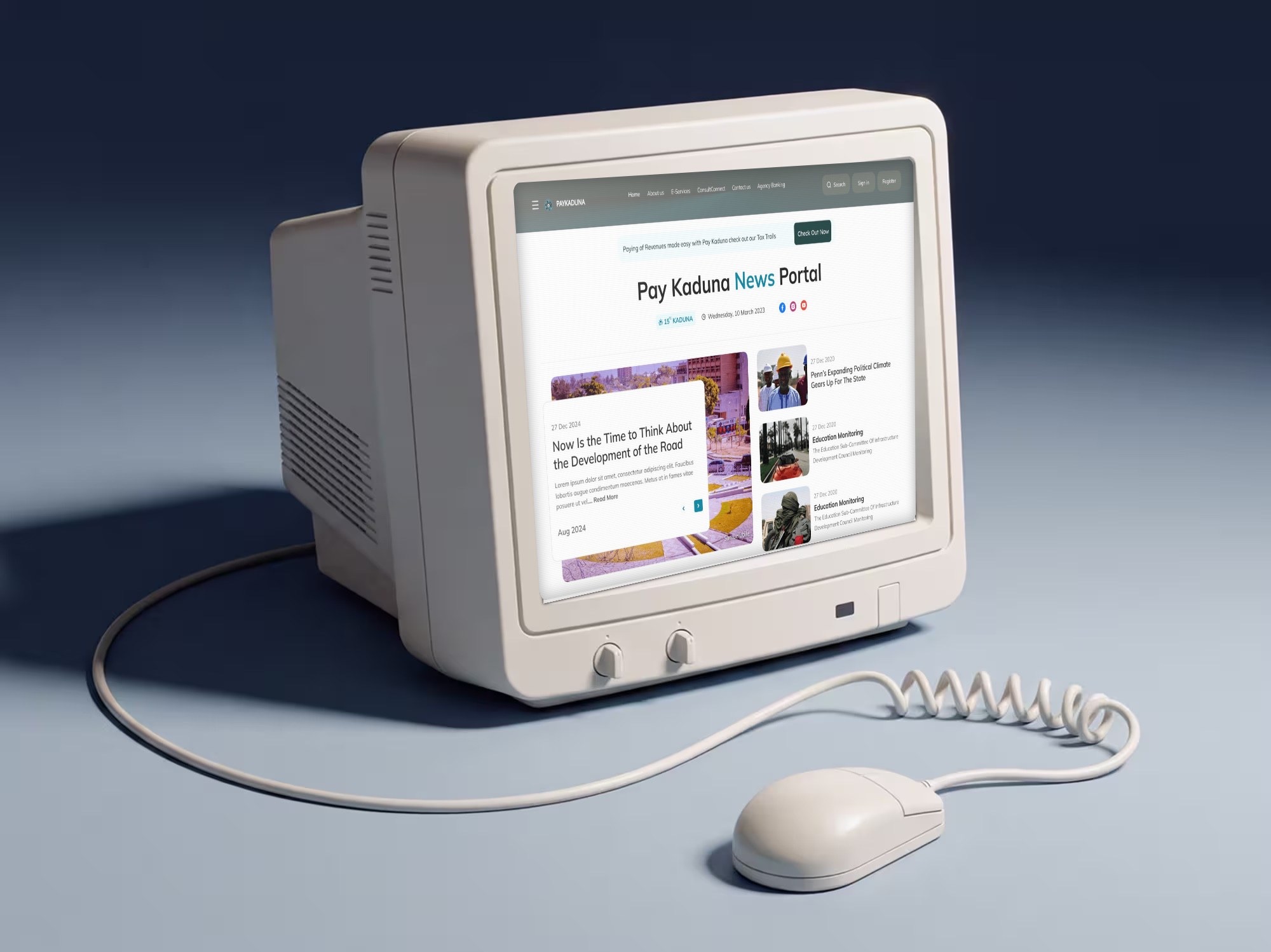
The home screen leads with the two actions research pointed to, while supporting tools such as a tax calculator, e-library and news sit one step away: useful, without competing for attention.
Final solution
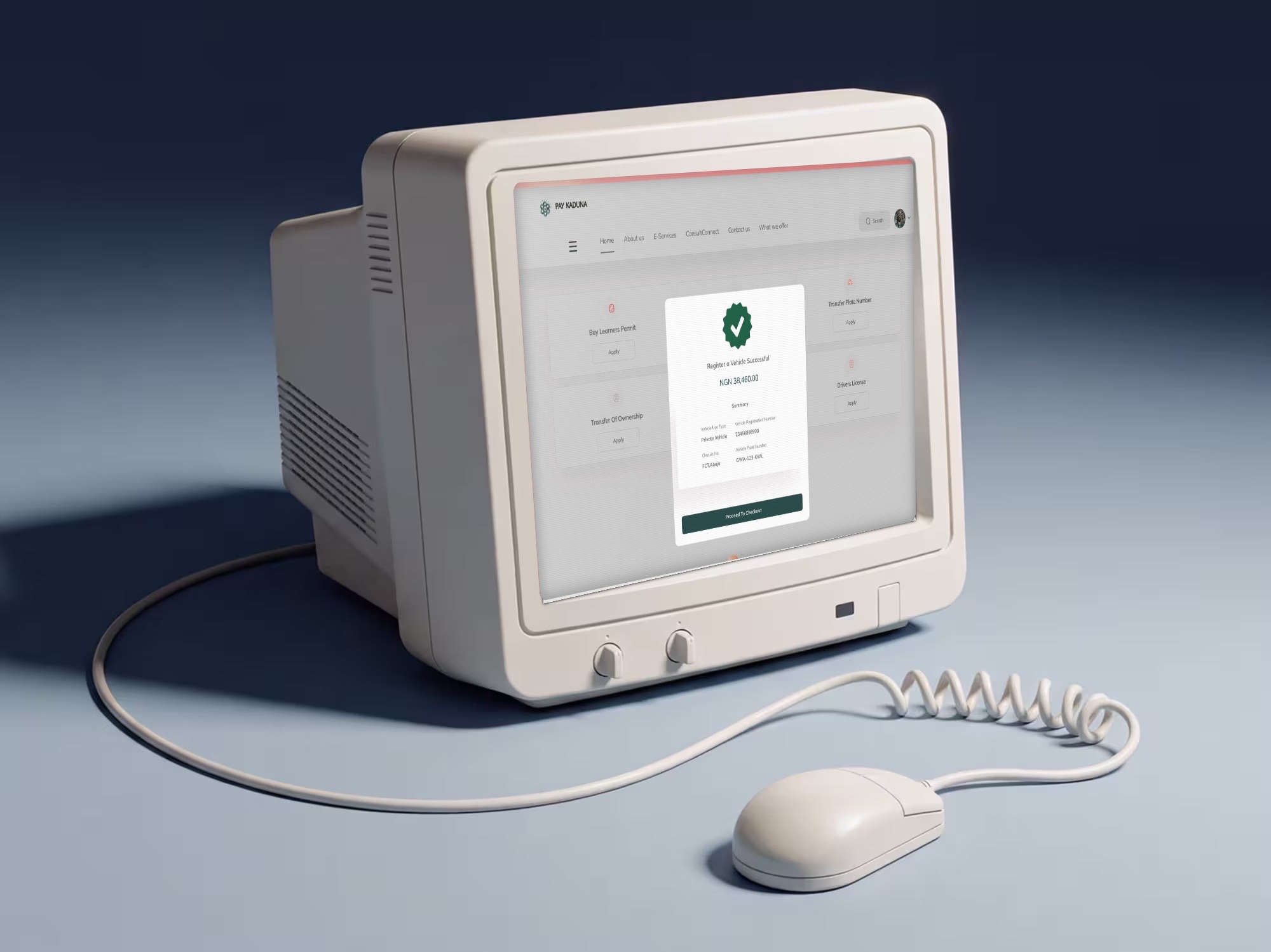
Pay, verify and reconcile in one place.
Standardised revenue heads, e-invoicing, multi-channel payments, instant QR e-receipts, and real-time dashboards and audit trails for agencies.
Collaboration & implementation
Designing with revenue officers, not around them.
Revenue officers shaped the product through interviews, alongside walkthroughs with citizens. On the admin side, the aim was cleaner books and better IGR visibility for MDAs, with less back-and-forth between finance and operations.
Results & evidence
Fewer disputes, faster reconciliation, more people paying digitally.
The project reported fewer disputes, faster reconciliation and higher digital adoption, with cleaner books and better IGR visibility for MDAs.
These are outcomes reported for the project. Published figures aren't available.
Lessons & reflections
What changes when people can't choose a different product.
When someone needs to pay a tax or access a public service, they often can't switch to another platform because the experience is frustrating.
PayKaduna taught me that clarity and accessibility aren't nice additions. A confusing process can mean wasted time, failed transactions, or someone unable to access a service. That responsibility changes how you design.